
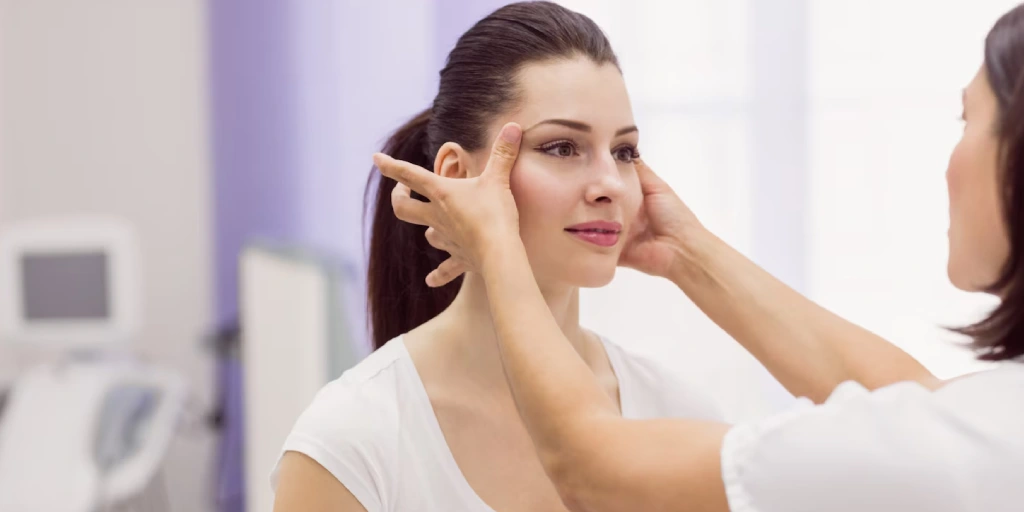
Skin is the body’s primary protective barrier against oxidative damage, allergies, and microbial infections. But because it is constantly exposed to sunlight, pollutants, microbes, and allergens, it is even more likely to develop various skin conditions, either suddenly or over time. Today, many individuals experience different types of skin problems in Noida due to factors like changing lifestyles, junk food intake, pollution levels, and environmental factors.
Anyone can have problematic skin, ranging from mild to serious. Some may get their skin healthy again in time, while others may require targeted medical treatment from an experienced specialist to manage chronic skin conditions in Noida.
Dermatologists are certified and experienced skin specialists who can diagnose and treat a wide range of skin conditions with their patient-centric approach, often involving medications, in-clinic procedures, and lifestyle-based solutions.
In this article, we will be discussing the most common skin conditions that dermatologists can accurately identify and safely and effectively treat. Knowing about them can help you early recognise your skin problem and seek appropriate treatment before you become hopeless of getting relief.
Here is the list of the Common Skin Issues that dermatologists can help treat or manage:
- Acne
Acne occurs when skin pores or hair follicles become clogged with excess sebum, skin cell debris, impurities, and sometimes bacteria.Acne can present in non-inflammatory forms, such as blackheads and whiteheads, or in inflammatory forms, such as papules, pustules, cysts, and nodules. They range in severity and can appear on the face, shoulders, chest, or back. If severe and ignored, they can lead to permanent, ugly scars.
Potential causes of acne include hormonal shifts, possibly due to stress; excessive bacterial growth; poor skincare habits; or certain medications. Thankfully, dermatologist in Noida offer many treatment options, including topical or oral medications, chemical peels, and laser therapy.
- Eczema (Atopic Dermatitis)
Eczema is a chronic skin condition characterised by dry, inflamed, itchy, and irritated rashes. Often, it affects children, but adults can also experience it.Eczema symptoms often appear on the face, hands, elbows, and the backs of the knees. The symptoms often flare up due to dry weather, exposure to allergens, use of harsh soaps/detergents, high stress levels, and friction from woolen clothing or jewelry.
Thankfully, dermatologists can manage eczema flare-ups and ensure optimal skin hydration with the right moisturiser, anti-inflammatory treatments, prescription medicated creams, and some lifestyle changes.
- Psoriasis
Psoriasis is an autoimmune, chronic skin condition usually characterised by scaly, thick patches of skin that could itch, appear red, and sometimes be painful. It is classified by the part of the body it affects and the signs it presents. The most common type is plaque psoriasis, which is noticed on the scalp, lower back, knees, and elbows.Psoriasis symptoms often flare up and then go into remission in cycles. Though the condition has no fixed cure, dermatologists can help manage the condition with many treatments, including Vitamin D analogues, topical corticosteroids, systemic medications, phototherapy, and biological therapies. With the right treatment and care from a dermatologist, patients can lead a better quality of life with fewer flare-ups.
- Hyperpigmentation
Hyperpigmentation is a type of pigmentation irregularity, characterised by dark spots or patches on the skin. It is primarily the result of excess melanin deposition, which can occur for various reasons, such as hormonal fluctuations, sun exposure, aging, skin injury/inflammation, certain medications, or harsh cosmetics/procedures.
The most common types of hyperpigmentation are melasma, solar lentigines, and post-inflammatory hyperpigmentation. They can be treated by a dermatologist based on the root cause and extent. Dermatologists-recommended treatments include skin-lightening creams, chemical peels, laser therapy, microneedling with skin-lightening serums, and advanced skin-brightening medifacials. These are successful only along with proper sun protection.
- Rosacea
Rosacea is another lifelong skin condition. It is characterised by redness or flushing of the skin due to visible, underlying blood vessels. Some people with this condition may develop red, pus-filled, tender bumps, just like acne.
Rosacea symptoms often develop gradually in areas such as the nose, cheeks, chin, and forehead. Sun exposure, hot beverages, spicy foods, stress, alcohol, and extreme temperatures usually trigger it.
Rosacea can worsen if left untreated. But with dermatologist-recommended medications, lifestyle modifications, and laser therapy, redness can be reduced, and flare-ups of symptoms can be well-managed. - Fungal Skin Infections
As mentioned earlier, the skin is highly susceptible to microbial activity. A fungal infection can develop when a particular fungus grows abundantly on a warm, moist skin surface. Some common fungal skin infections include athlete’s foot, ringworm, yeast infections, or Jock itch.
Fungal skin infections typically cause circular, itchy, red rashes or peeling skin. They can be accurately identified and treated with the right antifungal. Depending on the severity of the infection, a dermatologist may prescribe antifungal powder, cream, or oral medication.
- Warts
Warts are a characteristic feature of infection with human papillomavirus (HPV) in areas such as the face, hands, feet, and genitals. They are the unwanted, often harmless, small, rough skin growths that can spread to a healthy person via skin-to-skin or other direct contact.Dermatologists can remove bothersome, persistent, discomforting, or spreading warts using multiple approaches. The most effective professional treatments include cryotherapy (freezing of the warts), controlled chemical treatment, heat-induced removal with laser, and minor surgical removal of warts.
- Bacterial Skin Infections
Harmful or disease-causing bacteria can enter one’s skin through open wounds, cuts, or hair follicles that are not taken care of. Some common bacterial skin infections include cellulitis, folliculitis, and impetigo.Bacterial skin infections typically present with swelling, redness, warmth, pain, and pus-filled lesions. With a dermatologist-prescribed topical or oral antibiotic, the symptoms can be promptly managed, preventing serious complications or the spread of infection.
- Hair and Scalp Disorders
Dermatologists are not only specialised in skin conditions but also in scalp health and hair growth-related issues. They can provide the best care for conditions such as dandruff/seborrheic dermatitis, scalp psoriasis, and hair loss/alopecia.Hair and scalp disorders can occur due to genetics, stress, hormonal shifts, medical conditions, poor hair and scalp care, or nutritional deficiencies. Dermatologists can help diagnose the underlying cause and recommend the most appropriate treatment. They would suggest lifestyle changes, medications, P-RP therapy, hair mesotherapy, GFC therapy, or hair restoration.
When Should You See a Dermatologist for Skin or Hair Conditions?
Minor skin or hair complaints are often temporary and need no special care. But if they persist or worsen, a dermatologist’s attention becomes mandatory.
A dermatologist’s thorough evaluation is generally recommended if experiencing:
- Chronic itchy rashes
- Severe, stubborn acne flare-ups
- Abnormal skin growths or moles
- Sudden hair thinning or loss
- Non-healing skin infections
- Change of skin tone or texture
- With timely, accurate diagnosis, the skin condition won’t become serious or lead to long-lasting damage. The symptoms can be properly managed or alleviated.
Where to Visit in Noida For Receiving Good Dermatological Care?
If one wants good outcomes the most important factor is choosing a good dermatologist and clinic.
At Arcane Clinic, leading dermatologists and skin experts in Noida provide state-of-the-art treatments and the best advice for people suffering from any type of dermatological issue. They treat patients of every age group and provide treatment based on their needs.
If one wants more details, do visit them at Arcane Clinic, located in Sector 18, Noida.
FAQs on Skin Concerns
What is the most common skin condition treated by dermatologists?
The are many concerns treated by dermatologists that include acne, acne scars, pigmentation, eczema, sagging skin, stretch marks, warts, hair loss, vitiligo, psoriasis, nail infections, and many moree.
Are skin conditions always permanent?
Some skin conditions are acute, while some are chronic. Even if chronic, with dermatologist-recommended treatment and care, its symptoms can be managed.
When should I consult a dermatologist for acne?
Promptly see a dermatologist for effective acne treatment if it is severe, discomforting, or is likely to cause scarring.
Can stress cause skin problems?
Stress is one of the intrinsic factors contributing to acne, psoriasis, and eczema. It can both trigger and aggravate the skin condition by causing a hormonal imbalance.
Do dermatologists treat hair problems, too?
Yes, dermatologists specialising in the diagnosis, treatment, and even prevention of conditions affecting the hair, skin and even nails.