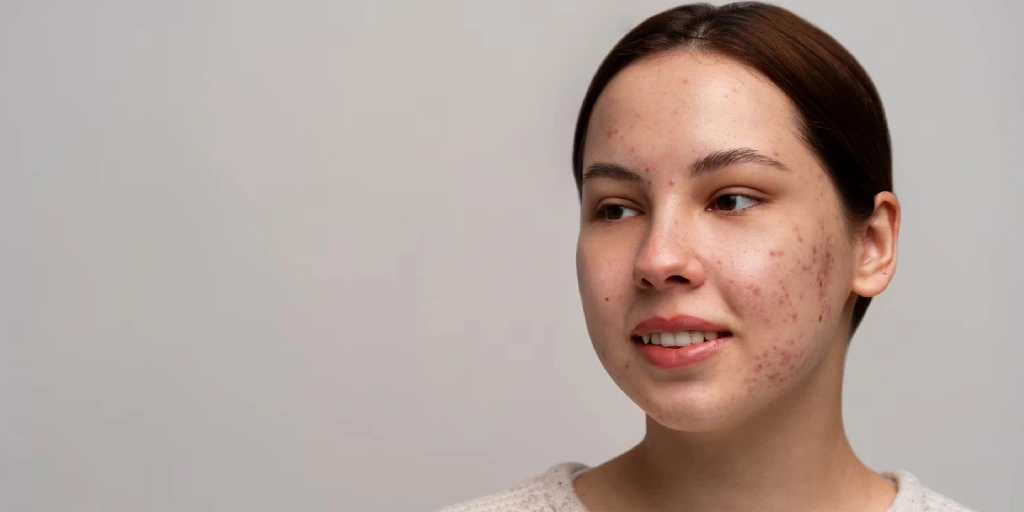
Acne and pimples are widespread dermatological concerns experienced by people of all ages throughout their lives. Though mostly affecting teenagers, the concerns can even linger into adulthood. They are the result of excess sebum production due to hormonal imbalances, a buildup of dead skin cells, dirt accumulation, pore clogging, and bacterial growth and inflammation.
For a safe and effective management of acne and pimples, over-the-counter treatment or a Do-It-Yourself approach is never recommended. A Qualified skin specialist and dermatologist in Noida, at Arcane Clinic, recommend a science-backed, targeted solution that complements your acne type, extent, and skin’s natural features, reducing the risk of further acne flare-ups and ugly-looking scarring.
Understanding the Varied Forms of Acne
Dermatologists categorise acne as:
- Comedonal acne: This is the non-inflammatory acne- the blackheads and whiteheads, formed as a result of open or closed, clogged pores.
- Inflammatory acne: This comprises the red bumps on the skin called papules, which, when filled with pus, are called pustules.
- Nodular acne: A deep, large, painful lesion that can cause scarring.
- Cystic acne: The most severe form of acne, with the highest risk of scarring. It features large, deep, painful, pus-filled cysts on the skin.
An accurate diagnosis is crucial as each acne type responds to different treatments.
Common Causes of Acne and Pimples
A dermatologist doesn’t superficially address acne and pimples, but rather targets their root causes. Mostly acne develops due to:
- Extra natural oil on the skin due to andr-ogen excess
- Plugging of hair roots
- Acne-causing bacteria activity
- Use of comedogenic cosmetics
- Unhealthy lifestyle and stress.
Dermatologist-Recommended Treatments for Acne and Pimples
Treatment options for acne and pimples include topical, oral, and procedural treatments. Here are the generally recommended dermatological treatments in Noida for acne and pimples management:
- Medicated creams or lotions (First Line Defense)– Mild and moderate acne breakouts can be controlled with prescription topical medications. The topicals include:
- Retin-oid (like Tretin-oin)– It promotes the skin cell turnover, stimulates collagen production, and prevents clogging of pores.
- Benzoyl Peroxide– It oxygenates the pores of the skin to reduce the acne-causing bacterial load, and it causes inflammation, which contributes to acne.
- Antibiotics – They are usually paired with benzoyl peroxide to effectively inhibit the growth of acne-causing bacteria.
- Azelaic Acid + Salicylic Acid– This combination of acids can penetrate the clogged pores to dissolve the build-up, reduce inflammation, kill acne-causing bacteria, and fade out the post-acne marks.
- Oral Medications– When acne or pimples are resistant to medicated topicals, dermatologists may prescribe oral medications, including:
- Antibiotics – A dermatologist may prescribe a short-term course of antibiotic therapy to reduce bacterial load within pores and inflammation, thus helping address moderate acne.
- Hormonal therapy (only for hormonal acne in females)– Dermatologists help control hormonal acne with oral contraceptives or anti-andro-gens.
- Isotreti-noin– For resistant or severe acne breakouts, dermatologists recommend this drug. It significantly reduces sebum production and prevents scarring.
- Chemical Peels– Varieties of acid peeling agents are accessible at a dermatologist’s office to exfoliate the skin. For oil control, unclogging pores, and mild acne breakouts, as well as post-acne marks, dermatologists generally recommend superficial to medium peels such as glycolic acid, mandelic acid, or salicylic acid.
- Laser and Light-Based Therapies – These are advanced acne treatments, usually chosen as supportive treatments when topicals or orals fail. For inhibiting the growth of acne-causing bacteria, dermatologists recommend blue light therapy. To regulate skin’s oiliness by heat-induced inhibition of sebaceous gland activity, reduce inflammation, and fade out post-acne marks, laser therapy is generally recommended.
- Comedone Extraction– Dermatologists can safely and effectively extract blackheads and whiteheads with a sterile comedone extractor.
- Medical-grade Facials– These dermatologist-led facials are not a standalone treatment for moderate to severe acne, but a good support for ongoing treatment.
- Intralesional Injections– Nodular and cystic acne can be injected with corticosteroid in a clinical setting. This rapidly reduces inflammation and minimizes scarring.
The skin specialists recommend a treatment approach based on the severity/type of acne.
For instance:
- Retin-oid with benzoyl peroxide cream/gel/lotion- for mild acne
- Topical + oral medications- for moderate acne.
- Oral isotret-inoin or chemical peels, laser treatment, or intralesional injection- for severe acne.
The duration of each treatment is variable and must be followed by recommended follow-ups.
Why Go for Skin Specialists’ Recommended Treatment for Acne and Pimples?
Do-it-yourself options for acne and pimples, like non-prescription topicals or natural, home remedies, should be avoided as they may lead to:
- Irritated skin
- Highly inflamed skin
- Improper management of acne and pimples
- Risk of acne scarring or recurrence.
Seeing a skin specialist for oily or acne-prone skin, active acne, post-acne marks, or scarring is essential for receiving a safe, effective, personalised management of the concern. Besides recommending the best-suited treatment for acne, a dermatologist also advises on:
- Use of non-greasy, non-comedogenic skincare products
- Avoiding the repeated touching, scratching, and rubbing of acne-affected skin
- Following a gentle cleansing and exfoliation routine
- Daily sun protection to avoid pigmentation
- Completion of the course of prescribed topicals or medications
- With early, targeted acne treatment, dermatologists can reduce the risk of post-acne marks or permanent scarring.
To Sum Up
Acne and pimples can only be safely and effectively managed with a well-structured dermatologist-recommended approach. A pimple / Acne treatment doctor in Noida at Arcane Clinic addresses the root cause of acne, controls its recurrence, and prevents acne-related damage with a tailored treatment plan.
Topicals, orals, and in-clinic procedures are different ways to help one achieve clearer, healthier skin and a more confident, comfortable face.
At Arcane Clinic the acne treatment cost in Noida starts from INR 2,000 and can range up to 5,000 per session. This can vary based on the type of concern treated and treatment offered.
FAQs On Acne and Pimple Treatment
What is the most effective treatment for acne?
A combination approach recommended by a dermatologist, depending on the acne type, is always the best. Topical treatments, laser, chemical peels, and even lifestyle changes can help one manage acne.
How long does acne treatment take to show results?
Acne and pimples noticeably improve in 4-8 weeks. However, dramatic skin clearance is possible only after consistent treatment for 12 to 24 weeks.
Can acne be permanently cured?
Yes, acne can be managed with dermatologist-recommended treatment and proper skin care.
Are chemical peels safe for acne?
Dermatologist-performed chemical peeling is generally safe and effective for mild to moderate acne and post-acne marks.
When should I see a dermatologist for acne?
Make no delay in consulting a dermatologist for acne and pimple management if they are stubborn, bothersome, painful, can leave marks or scars, or are not responding to self-care or basic treatments.